Cedar Siding vs. Composite Cladding: UK Cost, Looks and Maintenance Compared
Cedar Siding vs. Composite Cladding: UK Cost, Looks and Maintenance Compared
Two houses on the same street, clad on the same weekend, can look very different ten years later. One wall has weathered to a soft silver-grey; the other is still close to the colour it went up in — or drifting away from it. Cedar and composite cladding both suit UK homes, but they reward different priorities. The right choice usually comes down to how much you value natural ageing, colour consistency, upfront cost and long-term upkeep.
What you're really comparing
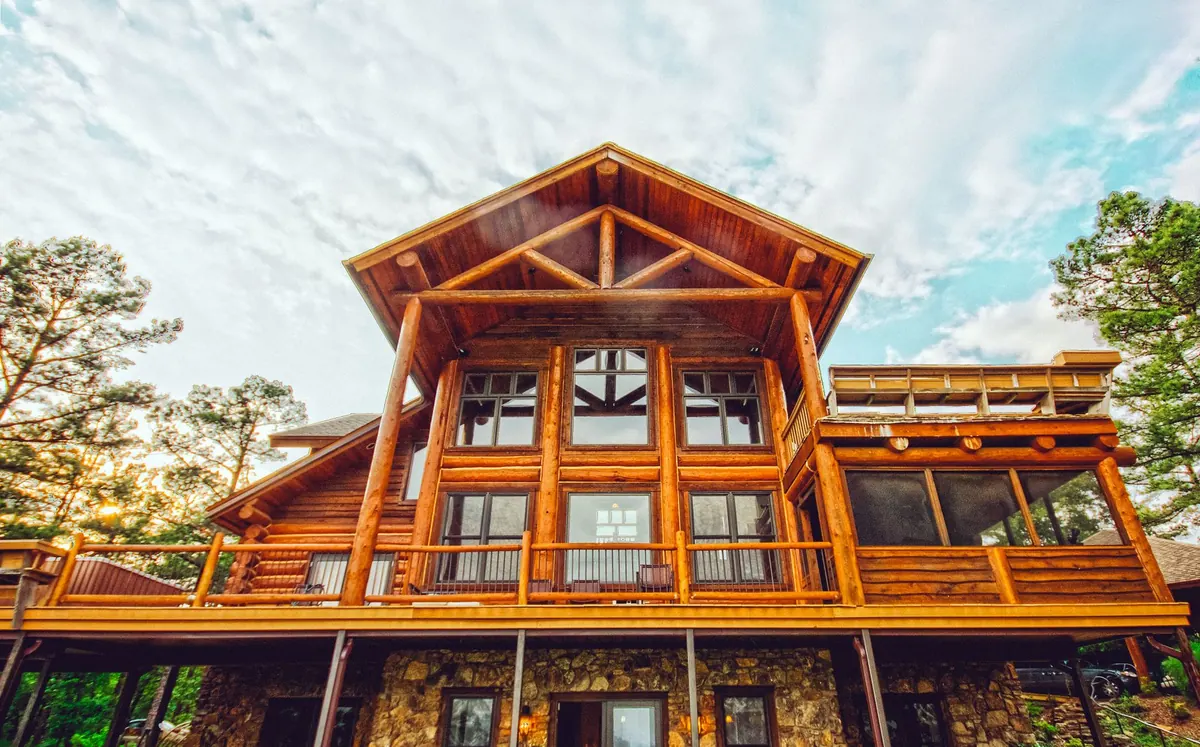
Cedar cladding is natural timber, most often western red cedar in the profiles sold here: featheredge, shiplap, tongue-and-groove, board-on-board, and shakes for feature walls. It is naturally durable, stable, light to handle and easy to cut cleanly on site. Western red cedar also contains natural oils that help it resist rot and insect attack, though in the UK’s wet and humid climate it still needs air movement behind it and sensible detailing. Different grades change the look and price: clear grades are more uniform, while knotty grades have more character and can be cheaper. Finger-jointed cedar is also available for long lengths, but check how the joints are finished.
Composite cladding is a family of products, not one thing. You will meet wood-plastic composite, cement particle board with a factory-painted finish, and capped composites where a thin polymer skin wraps a core. Cores behave differently — some move more with heat, some are heavy, some chip easily. A hollow WPC board can feel warm and slightly flexible underfoot; a cement board feels solid and cold; a capped composite may have a convincing embossed grain but a harder, more uniform surface. Ask what the board is made of, not just what it looks like in a showroom.
- Wood-plastic composite (WPC): usually a mix of wood flour and plastic. Good for low-maintenance looks, but cheaper boards can fade, stain or sag if poorly supported.
- Cement particle board: heavy, stable and often factory-finished. It resists rot and insects, but chips can expose the core and repainting may be needed after many years.
- Capped composite: a polymer skin over a composite or mineral core. The best versions hold colour well; the weakest can scratch, blister or show a visible substrate if damaged.
Cost: the headline number and the hidden ones
In the UK, cedar cladding is often quoted at roughly £35 to £70 per square metre for the boards alone, depending on profile, grade and thickness. Installed, including battens, membrane, fixings and labour, many projects fall between £80 and £150 per square metre. Composite cladding varies far more: budget WPC might start near £40 per square metre, while high-quality capped composite or cement board can be £70 to £120 or more for materials. Installed costs commonly land between £90 and £180 per square metre, and premium systems can exceed that.
Take a simple 20 square metre gable. Cedar materials might be £800 to £1,400, with installation bringing the total to £1,800 to £3,000. A mid-range composite system might be £1,200 to £2,200 in materials and £2,200 to £3,800 installed. The gap narrows if you choose a cheaper cedar grade and do the finishing yourself, or widens if the composite needs specialist trims, corner profiles and hidden fixings. Remember scaffolding, waste, access, and VAT. A difficult roof line or a conservation area can add more than the cladding itself.
- Cedar: lower material cost in many grades, but finishing and maintenance costs continue over time.
- Composite: higher upfront cost, often lower routine maintenance, but repairs can be harder and colour-matched pieces may be discontinued.
- Both: a ventilated cavity, breather membrane, insect mesh and correct fixings are not optional extras; they are part of the system.
Looks: grain, colour and the ageing question
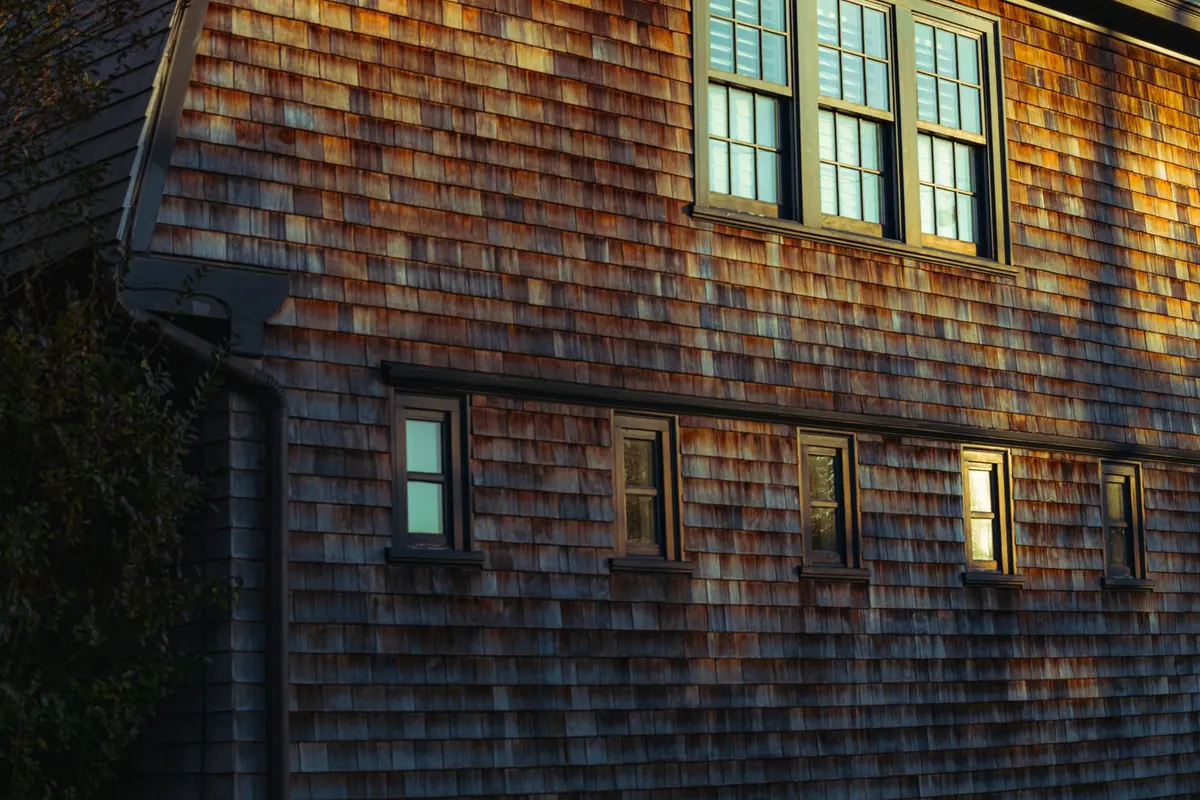
Cedar gives you natural variation. Grain runs differently board to board, knots appear and disappear, and the colour shifts from warm red-brown to honey, then to silver-grey if left untreated. Some people love that silvered look; others want the original tone and will oil or stain every few years. Cedar can be stained almost any colour, but it will never be perfectly uniform. On a period cottage, a barn conversion or a garden room, that irregularity is often the point.
Composite is about consistency. Boards arrive the same colour, with the same grain pattern repeating across the wall. That can look crisp on a modern extension, a new-build townhouse or a commercial-style facade. Capped composites resist fading better than early WPC boards, and cement board takes paint well. But uniformity can also read as flat or artificial up close, especially if the grain is overdone. On a north-facing wall, both materials can grow algae; composite may wipe clean more easily, while cedar may need a gentle wash and re-oil.
Choose cedar if you want a wall that tells the weather. Choose composite if you want a wall that ignores it.
Maintenance: the real dividing line
Cedar is not high-maintenance, but it is not no-maintenance. Inspect it once a year, looking for lifted boards, blocked ventilation, green algae, mould or water traps. Clean with a soft brush and a suitable wood cleaner. If you want to keep the colour, apply a UV-protective oil or stain every two to five years, more often on south-west walls that catch driving rain and sun. If you are happy with silver-grey, you can let it weather, but you should still clean it and keep the details sound. Loose fixings, failed sealant and blocked cavities cause more problems than the timber itself.
Composite cladding is usually washed with warm soapy water and a soft brush. You do not need to paint it, and you will not need to re-oil it. That does not make it immortal. Dust, pollen and algae collect on north walls. Scratches on capped boards may not be repairable invisibly. Cement board can chip at edges and may need repainting after ten to fifteen years. WPC can stain from oil, rust or tannins, and dark colours can get hot and move more in direct sun. Check the manufacturer’s cleaning advice before using a pressure washer; too much pressure can force water behind the boards or strip a finish.
- Cedar every year: inspect, clean, check fixings and ventilation.
- Cedar every 2–5 years: re-oil or stain if you want a maintained colour.
- Composite every year: wash, remove debris from vents and check for scratches or chips.
- Composite every 10–15 years: some cement boards may need repainting; fixings and seals should be reviewed.
Installation, detailing and UK rules
Both materials need a drained and ventilated cavity. That means battens over a breather membrane, with insect mesh at openings and a clear path for air to move behind the cladding. Cedar moves with moisture, so boards should not be tight to the ground, and fixings should allow slight movement. Use stainless steel or hot-dip galvanised fixings;
Photo: Brent Singleton / Pexels
Cedar Shingles vs. Cedar Shakes: Which Roof or Wall Covering Should You Choose?
Sawn shingles and split shakes both come from western red cedar, but they differ in cut, thickness, look...
Woodworking with Cedar: Projects, Joinery and Finishing Tips for Beginners
A practical beginner's guide to working with cedar: what makes it different, projects worth building,...
About Us